
Food Business Marketing: A Quick Guide
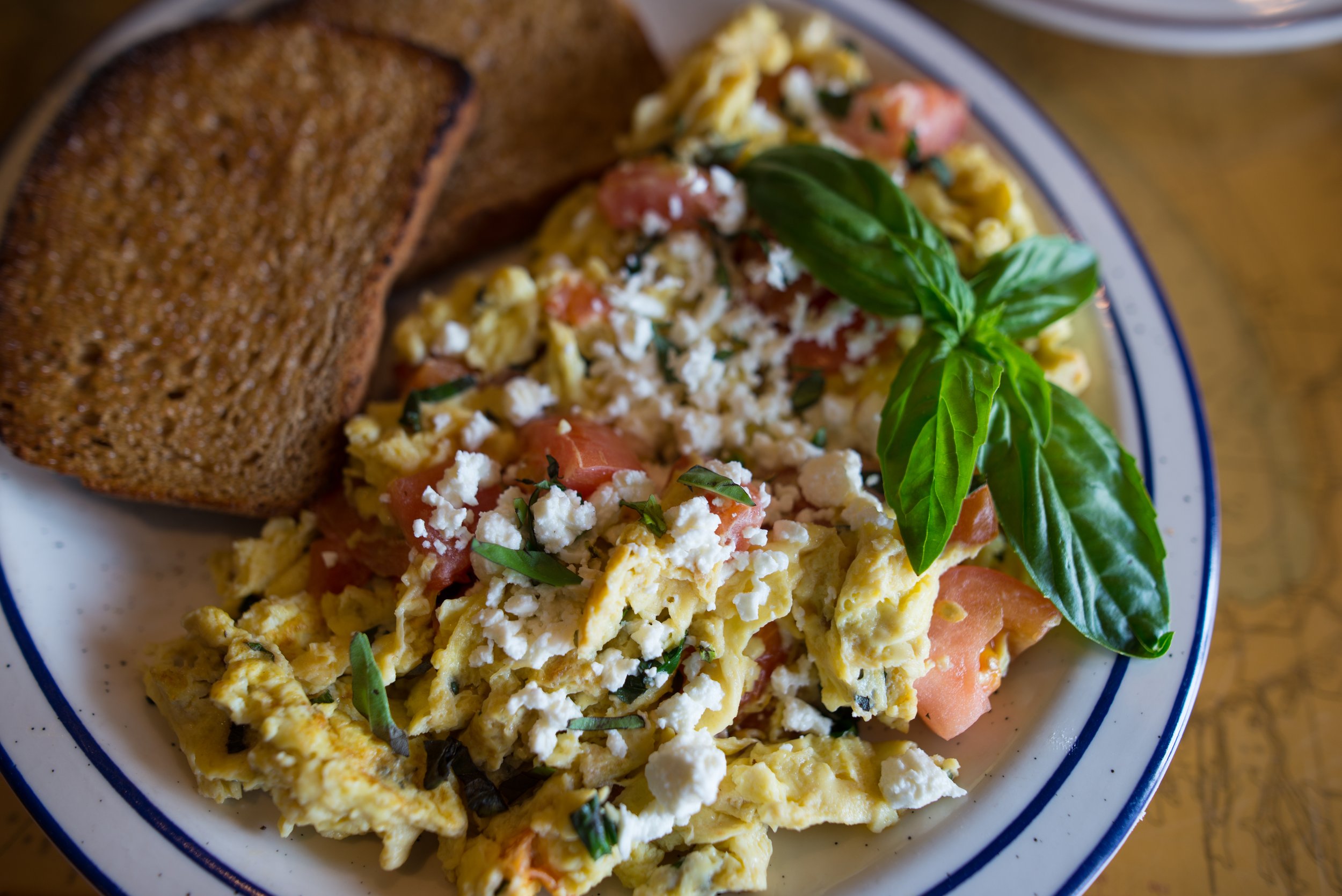
Breakfast at Good Harbor Grill in Glen Arbor, Michigan.
Marketing a food business can feel like a lot to keep up with. You’re making products, serving customers, filling orders, showing up at markets, managing staff, handling deliveries, and trying to keep the whole thing moving.
So when someone says, “You should really be marketing more,” it can sound like one more thing on an already full plate.
The good news? Strong marketing does not have to mean doing everything, posting every day, or being on every platform. It means making it easier for the right people to find you, understand what you offer, and know how to buy from you.
Whether you run a farm, food brand, CSA, farmers market booth, bakery, catering business, farm store, or value-added product line, your marketing should answer a few simple questions:
What do you sell?
Where can people buy it?
Why should they choose you?
What should they do next?
When those answers are easy to find, your marketing starts doing more of the work for you.
So, How do I Market a Local Food Business?
Start with the basics: make sure people know what you sell, where to buy it, and why it matters. Then use your website, email, social media, signage, and seasonal promotions to repeat that message in different ways.
The goal is not to be everywhere. The goal is to make buying from you easy.
What Should my Marketing Include?
A strong plan includes:
Consistent social media updates
Seasonal promotions
Clear calls to action
Customer follow-up
Simple tracking to see what is working
You may not need every tool right away. The best place to start is with the channels you can keep up with and the information your customers need most.
Start With Your Customer
Before you decide what to post, where to advertise, or what to update on your website, start with your customer.
Ask yourself: who are you trying to reach?
You might be speaking to farmers market shoppers, CSA members, wholesale buyers, restaurant customers, farmstand visitors, local families, tourists, gift buyers, event attendees, or grocery partners.
Each group may need something a little different from you: a farmers market shopper might want to know what’s fresh this week; a CSA member may want to understand what comes in a share; a wholesale buyer may need pricing, availability, and ordering details.
You do not need a completely different marketing plan for every audience. But you do need to understand what your customers care about.
Here’s a helpful place to start:
Who are your best customers right now?
Who do you want more of?
What questions do people ask before buying?
What makes someone come back?
What information would make buying easier?
Your answers can turn into website copy, social media posts, emails, signs, product descriptions, ads, and more.
Need some help finding your voice? Purchase our Building a Brand Workbook for guidance writing to your audience while still showing off your personality.
Make Your Website the Home Base
Social media is useful, but your website should be the home base for your business.
It’s where customers should be able to find the most accurate, up-to-date information about what you offe, and also one of the best places to help people find you through search.
A strong website does not need to be fancy, it simply needs to be clear.
At a minimum, your website should answer:
What do you sell?
Where are you located?
How can people buy from you?
What are your hours or pickup options?
Do you offer online ordering, CSA shares, wholesale, events, or subscriptions?
How can customers contact you?
If people have to dig for basic information, they may leave before they order, visit, or reach out.
Your website also helps search engines understand your business. That does not mean stuffing your pages with various keywords. It means using the words your customers are already using.
For example, instead of only saying:
“Fresh from our fields to your table.”
Try adding something more descriptive:
“We grow seasonal vegetables for our CSA, farmers market booth, and farmstand in southern Washington.”
The second version still sounds human, but it gives people more useful information.
Want to learn more about SEO? Check out this blog post.
Use Social Media and Email Together
Social media is often the first place food businesses show up. It’s great for sharing what’s fresh, posting behind-the-scenes photos, promoting events, and reminding customers where to find you.
But social media should not be your whole marketing plan.
Not every follower sees every post. Platforms change. Algorithms shift. A post might perform well one week and barely reach anyone the next. That does not mean social media is not worth using; it just means it works best when it is part of a more complete system.
Then use email to stay connected with people who already want to hear from you. Email gives you more room to share details, links, product information, recipes, pickup instructions, farmer notes, and reminders.
A simple monthly or twice-monthly email could include:
What’s fresh or available
Where to find you
One featured product or service
One customer reminder
One clear call to action
The goal is not to write a novel. The goal is to stay connected and make buying easier.

Creating email templates customized to your brand not only lends professionalism, but it makes sending emails faster and more fun. Learn more in this blog post!
How do you know if it’s working?
You do not need to track every number, but it helps to know what is actually moving your business forward.
A few useful things to watch include website traffic, search terms people use to find you, email clicks, online orders, CSA sign-ups, preorder numbers, event registrations, social media engagement, customer questions, and in-person feedback.
Google Analytics and Google Search Console can help you understand how people find and use your website. Email platforms can show which links people click. Social media insights can show what content people respond to. Your sales records can show what actually leads to purchases.
And don’t ignore what you hear in real life! If someone says, “I saw your post and came to market,” that matters too.
A few common questions:
Do I need to be on every marketing channel?
No. It is better to use a few channels well than to stretch yourself too thin. Start with the places your customers already look for you, like your website, email list, social media, market booth, or farmstand.
What should I post when I don’t know what to say?
Start with what helps customers take action. Share what is available, where to find you, how to order, what is coming soon, and answers to common customer questions.
Do I really need a website if I mostly sell in person?
Yes. Always, yes. Even if most sales happen at markets, events, or your farmstand, a website helps customers find accurate information about your products, hours, location, ordering options, and contact details. We consider it a customer service best practice.
Keep It Manageable
A strong marketing plan does not need to be complicated.
Start with the basics: a clear website, a way to collect email addresses, a consistent social media presence, a simple seasonal plan, clear calls to action, and a habit of reusing good content.
From there, you can build.
Maybe your next step is improving your website. Maybe it is sending one helpful email each month. Maybe it is creating a better launch plan for seasonal products. Maybe it is turning your most common customer questions into content.
Need marketing help?
At Taste the Local Difference, we work with farms, food businesses, and food system organizations that need marketing to be practical, seasonal, and rooted in how people actually buy local food. Explore our services here. Or, get in touch today!