
Turning Everyday Farm Work into Great Marketing Content
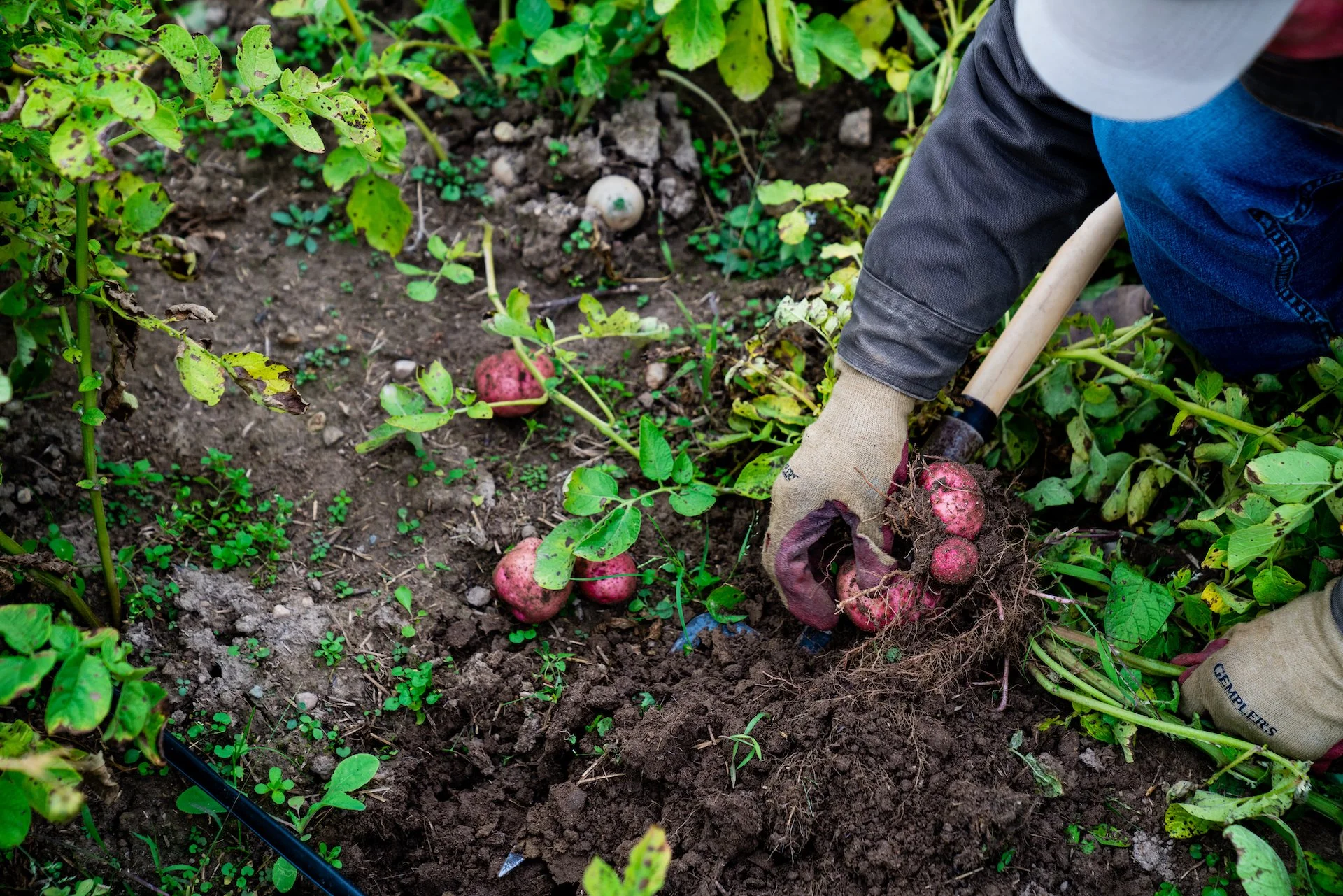
Turn Everyday Farm Work into Great Marketing Content: Photo of Hillcrest Farms
Running a farm takes a lot of work. Between planting, harvesting, caring for livestock, packing orders, and selling at markets, marketing often falls to the bottom of the priority list.
The good news? You’re already creating really valuable marketing content every single day on the farm – though you might not realize it.
Many folks think they need professional photography, elaborate videos, or perfectly planned campaigns to market their farm successfully. In reality, some of the most effective farm marketing content comes directly from the work you're already doing every day.
The daily tasks, challenges, successes, and stories happening on your farm can help you connect with customers, build trust, and create content that feels authentic.
Why Everyday Content Works
Consumers are interested in where their food comes from and who is growing it. They want to see the people behind the products. They want to understand growing practices; they want a glimpse behind the curtain, into farm life.
When you share the everyday moments from your farm, you're helping customers feel connected to your business in a way that large grocery stores and national brands simply can't.
The best part? You don't have to create anything new. You just need to document what you're already doing.


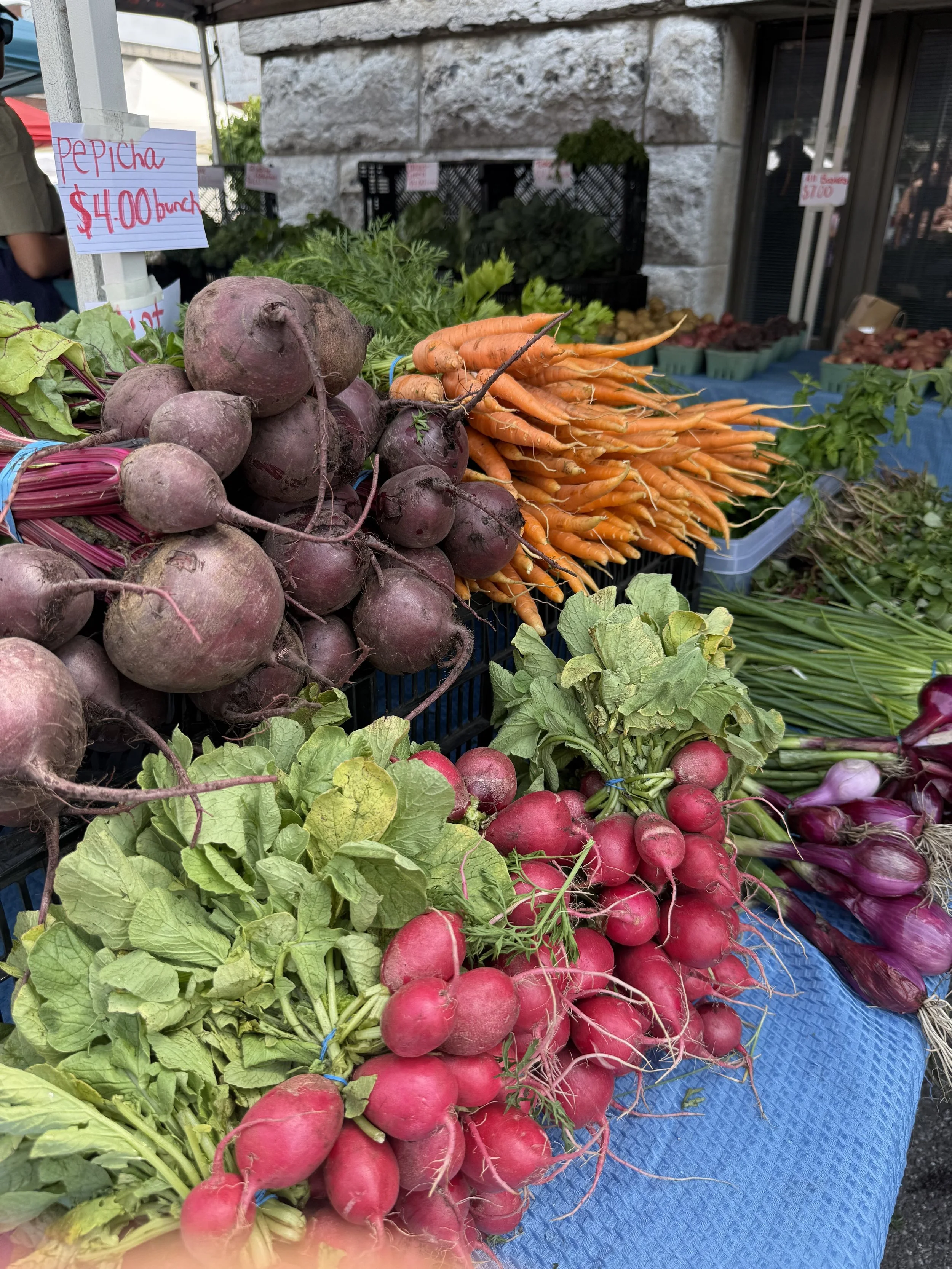
Your Farm is Full of Content
If you've ever thought, ‘I don't know what to post’, consider some of the activities happening on your farm this week. Almost every task can become marketing content.
Daily Farm Tasks
Simple daily activities can become engaging social media posts, email content, or website updates.
Planting crops
Seeding trays in the greenhouse
Harvesting vegetables
Feeding livestock
Collecting eggs
Washing and packing produce
Preparing CSA boxes
Loading for a farmers market
Setting up farm stands
Seasonal Farm Activities
Seasonal changes naturally create fresh content opportunities throughout the year. These seasonal moments help customers follow your farm's journey and understand the rhythm of local food production. Here are some seasonal examples:
Spring planting
First harvests of the season
Irrigation setup
Cover cropping
Fall harvest preparations
Winter planning
Seed ordering
Equipment maintenance

Want some tips on how to capture the best images? Learn more about capturing your farm in its best light.
Five Ways to Turn Farm Work into Marketing Content
You don't need a complicated strategy to get started. Here are five simple ways to transform everyday farm work into useful content:
1. Show the Process
People love seeing how things are made or grown. Instead of only posting photos of finished products, share what happens behind the scenes. Examples:
Show tomato starts being transplanted into the field
Share a video of harvesting lettuce
Document the process of making jam, tallow, or preparing market products
Capture the steps involved in caring for cattle
These types of posts and this type of content educate customers while building appreciation for your craft.
2. Answer Customer Questions
Think about the questions you get asked the most:
How do you grow your produce?
What does grass-fed mean?
How does a CSA work?
Why are some vegetables only available seasonally?
How should I store fresh greens?
What’s the right time to harvest?
Each question can become a social media post, email newsletter, blog article, or video. If one customer is asking, others are likely wondering the same thing.
3. Share Farm Stories
Not every piece of content needs to educate. Sometimes people simply want to get to know the farmer behind the produce. Consider sharing:
Why you started farming
Lessons you've learned
Challenges you've overcome
Family involvement on the farm
Memorable moments from market season
Stories help create emotional connections that encourage long-term customer loyalty.
4. Highlight Small Wins
Many farmers wait for major milestones before sharing updates. But small victories can often make great content.
Examples include:
The first harvest
A successful farmers market
New animals arriving on the farm
Reaching a CSA membership goal
Sharing progress keeps customers engaged and gives them reasons to celebrate alongside you.
5. Document, Don't Create
This may be the most helpful tip of them all. Instead of trying to create content from scratch, focus on documenting what you're already doing.
Take a quick photo while harvesting
Record a short video while preparing CSA boxes
Snap a picture of your market setup before customers arrive
A few seconds spent documenting your work can provide enough content for multiple social media posts, emails, or website updates.
Content Ideas You Can Use Today
If you're looking for a place to start, try posting one of the following this week:
A photo of what's being harvested today
A quick update from the greenhouse
A behind-the-scenes look at market preparation
A customer favorite product and how it's grown
A farm dog or farm animal spotlight
A time-lapse video of a daily task
A seasonal crop update
A frequently asked customer question
A photo series showing produce from field to market
A team member introduction
Remember, authenticity is always more valuable than perfection.
Consistency Matters Most
Many farmers delay marketing because they feel their photos aren't professional enough, or they don't have enough time. Customers aren't looking for perfection. They're looking for connection.
A simple photo with a genuine caption can often outperform highly polished content because it feels real.
The goal isn't to become a content creator. The goal is to help customers understand your farm, your products, and the people behind them.
Start with What You're Already Doing
The next time you're harvesting carrots, setting up at a farmers market table, washing greens, or feeding livestock, ask yourself: ‘Could I take a quick photo or video of this?’ The answer is usually an easy ‘yes’.
The work happening on your farm every day tells an important story. By documenting those moments and sharing them with customers, you can create meaningful marketing content without adding much more to your already full plate.
The best marketing content doesn’t come from hours and hours of recording and editing; it comes from simply noticing something you’re already doing.